|
Chongqing
Chongqing, located in the southeastern part of the Sichuan Basin, where the Yangtze River and Jialing rivers meet, is the largest industrial and commercial city in southwestern China and the economic center of the upper reaches of the Yangtze River. Since 1997, the city has become the fourth municipality, independent from Sichuan Province, to be under the direct control of the central government. The major port of the upper Yangtze River and gateway to the famous “Three Gorges,” the city is also a busy port , whose location, 2400km upstream from Shanghai at the meeting point between eastern river traffic and overland trade routes with Tibet and Burma, has given Chongqing an enviable commercial acumen.
Recommended China Tours Including Chongqing:


Tourist Highlights |
| |
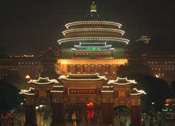
The Great Hall of the People
An architectural symbol of Chongqing, the hall was built in 1951. The whole building displays elegant design, superb craft and the harmonious use of color. Especially the lower in the front gate, a typical architectural creation in Chinese flavor, is highly praised by the tourists from home and abroad
|
 |
|
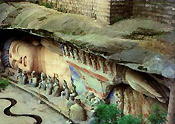 |
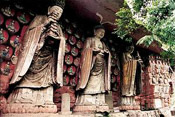
Dazu Stone Sculpture
Dazu County lies in the southeastern part of the Sichuan Basin. It is 130 km away from Chongqing and 270 km away from Chengdu. "Dazu" here means "harvest and abundance (Dafeng, Dazu)". The work of Dazu Rock Carvings began in the first year of Yonghui in the Tang Dynasty (650A.D.), and continued until the Ming and Qing dynasties. Now, it enjoys equal popularity with the Yungang and Longmen Grottoes. The general term of "Dazu Rock Carvings" refers to all the cliffside carvings in Dazu County, which includes the carvings in Beishan (including Beita), Baodingshan, Nanshan, Shizhuanshan and Shimenshan. Baoding Grotto, 15 kilometers northeast of the county seat, is the largest and best preserved one and is a key cultural relic site under state protection. |
 |
Recommended China Tours Including Chongqing:
|
|
| Other City |
|
 |
| Private China Tours |
|
|
|



